2025
LOCAL MATERIALS LOCAL BUSINESS INITIATIVES: INTERNATIONAL FUTURES
Over the last years the conversation around textile sustainability has become ever more urgent and complex. From the material origins of fibers to the global systems of production, distribution, use, and disposal, textiles are at the center of environmental, social, and cultural debates. They hold contradictions: while textiles connect people through craft, clothing, traditions and culture, they now also reflect urgent challenges of overproduction, ecological damage, and ethical dilemmas.
The Green Cycles Symposium has emerged as a think tank and an international platform for dialogue in response to these realities. Initiated by Professors Renata Brink and Patrick Kugler of HAW Hamburg, the symposium has built a tradition of exploring how design, craft, and innovation can intervene and challenge these textile cycles.
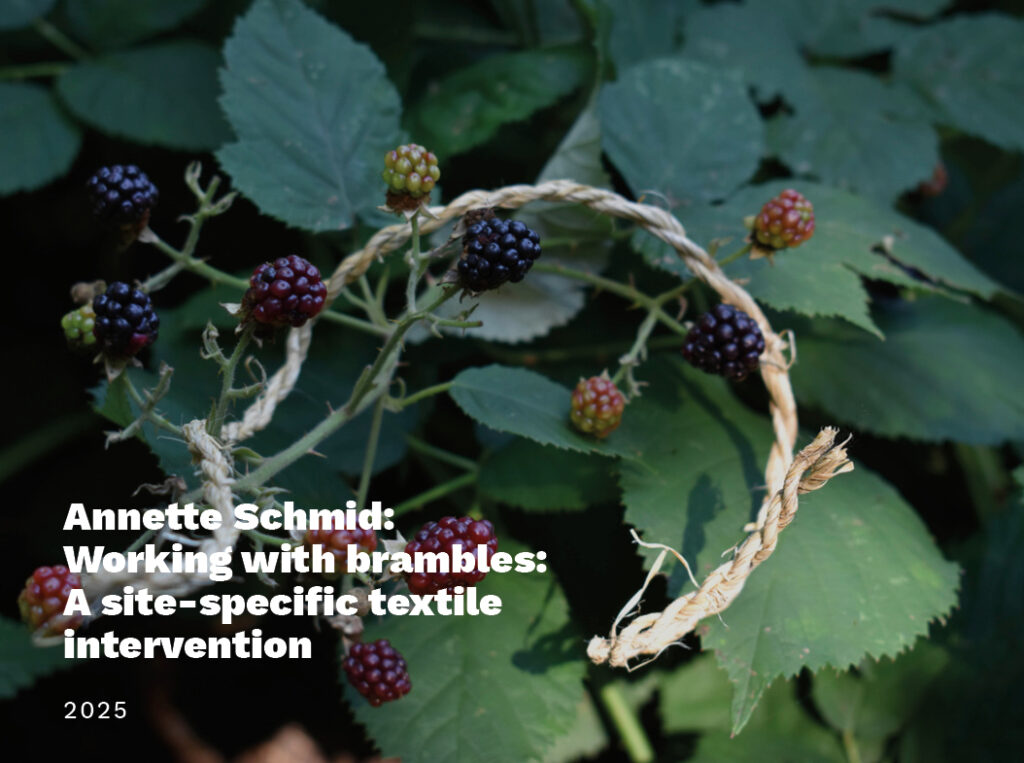
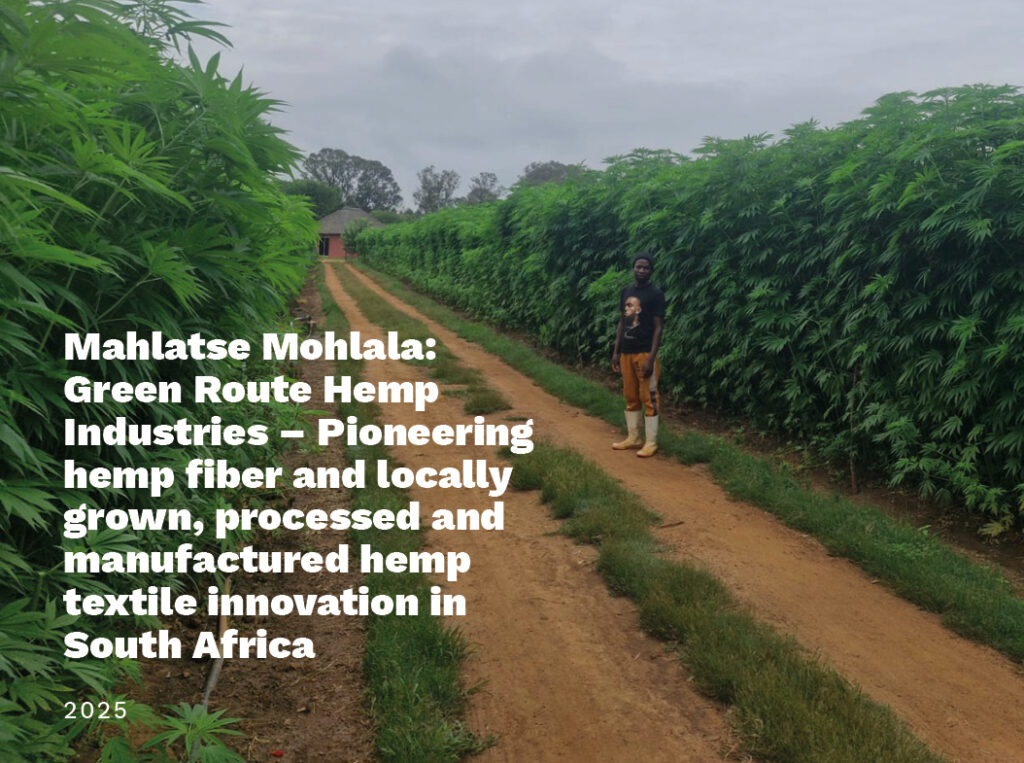
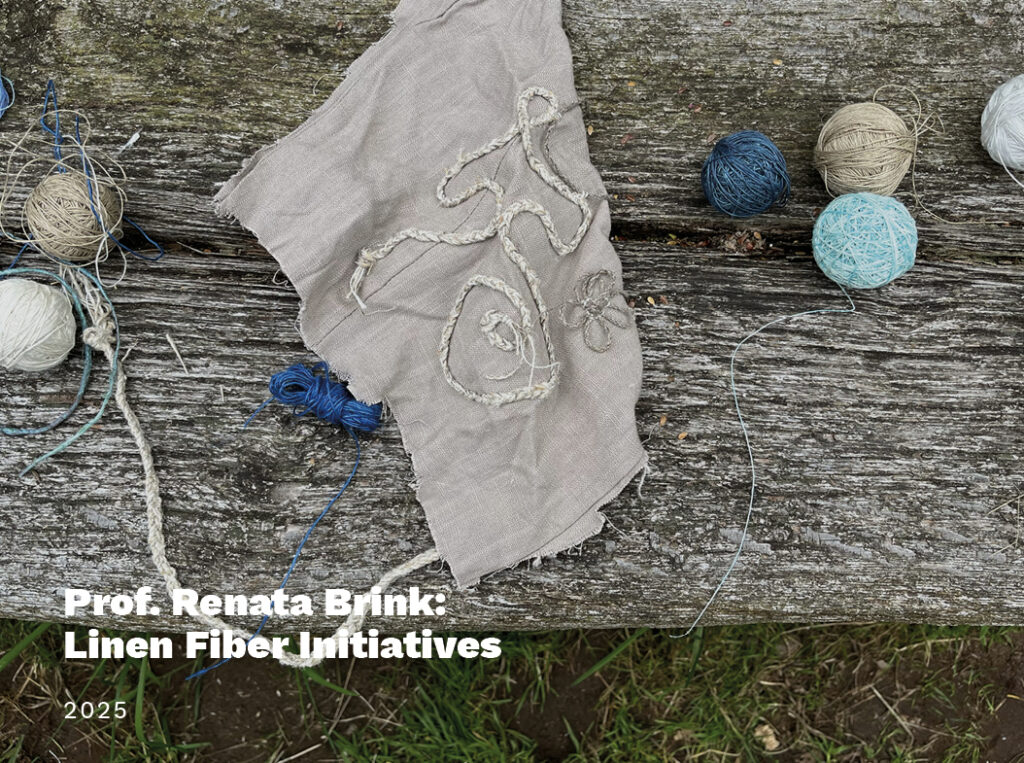
This year located in Durban, South Africa (2025) and in cooperation with the Durban University of Technology (DUT), the symposium turns its focus to natural, alternative fibers such as hemp, brambles, and linen. These materials are not only resilient and versatile but also carry deep histories of use across different cultures and geographies. They represent a pathway toward reducing the ecological footprint of textiles, while opening new avenues for design, craft, and industry.
Welcome addresses for the symposium 2025
The symposium brings together researchers, designers and entrepreneurs, among others, to examine the entire cycle of natural fibers — from cultivation and harvesting to design, production, use and recycling. By situating fiber in the wider context of social and ecological systems, we highlight not only material properties but also cultural meaning, community resilience, and economic opportunity.
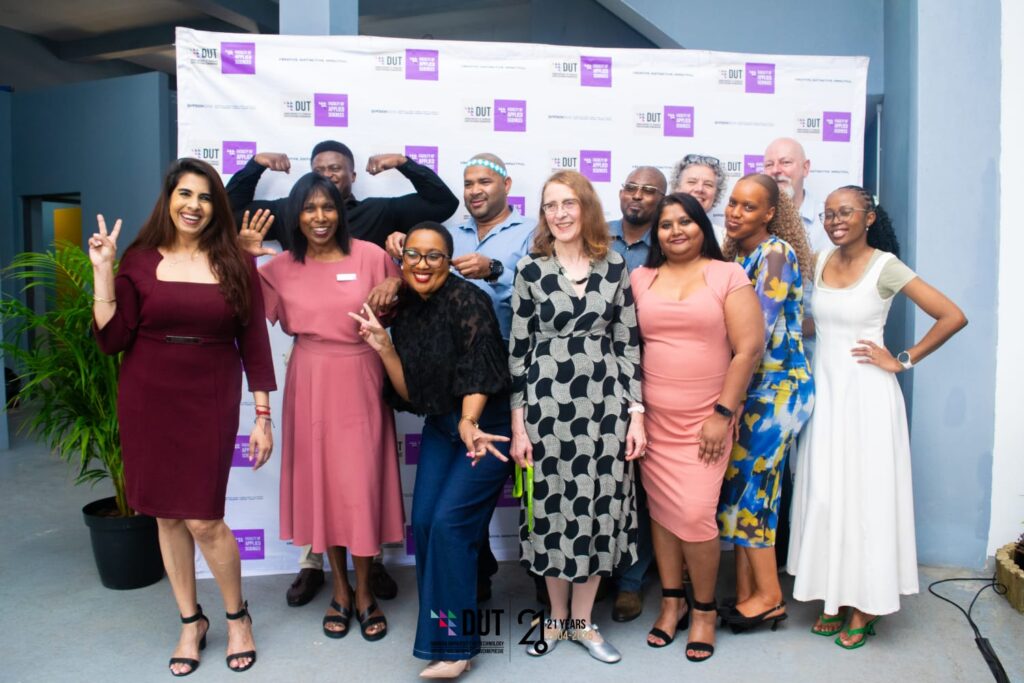
Members of the DUT Textile Science & Apparel Technology Department with Prof. Renata Brink and Prof. Patrick Kugler from the Textile Department at HAW Hamburg
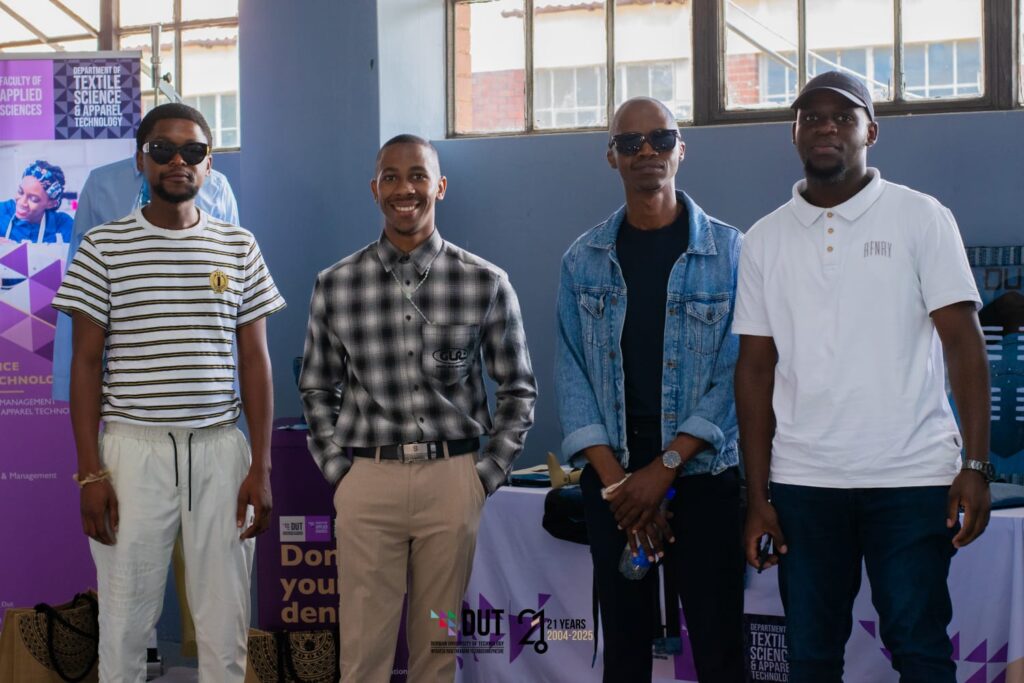
2nd Year Clothing Management Students: Lethokuhle Xulu, Lungelo Khoza, Mawande Khathi, Mhlengi Hadebe
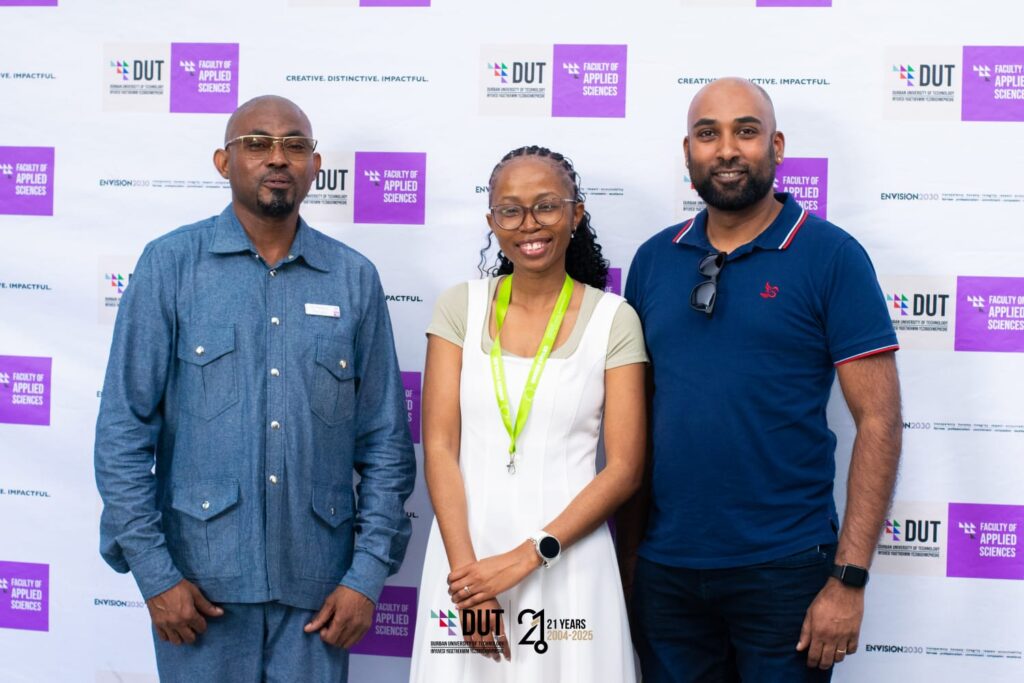
Valentine Mpungose (DUT), Nokwanda Biyase (DUT), Shamindra Dipal (Jockey SA)
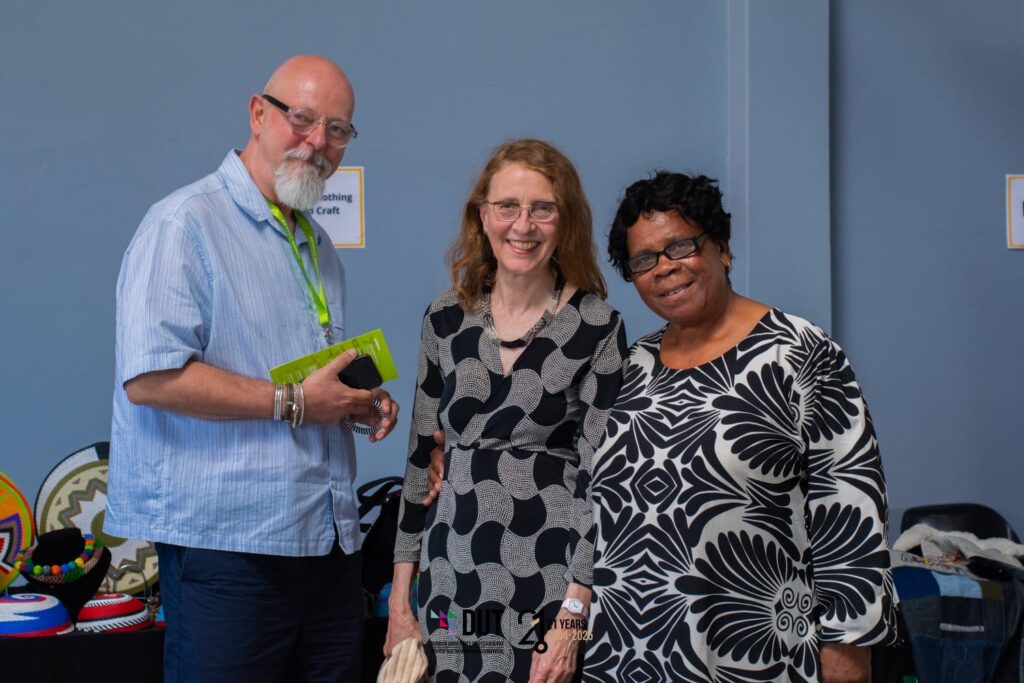
Cynthia Goba of Nkunguse Arts & Crafts with Prof. Renata Brink and Prof. Patrick Kugler from the Textile Department at HAW Hamburg
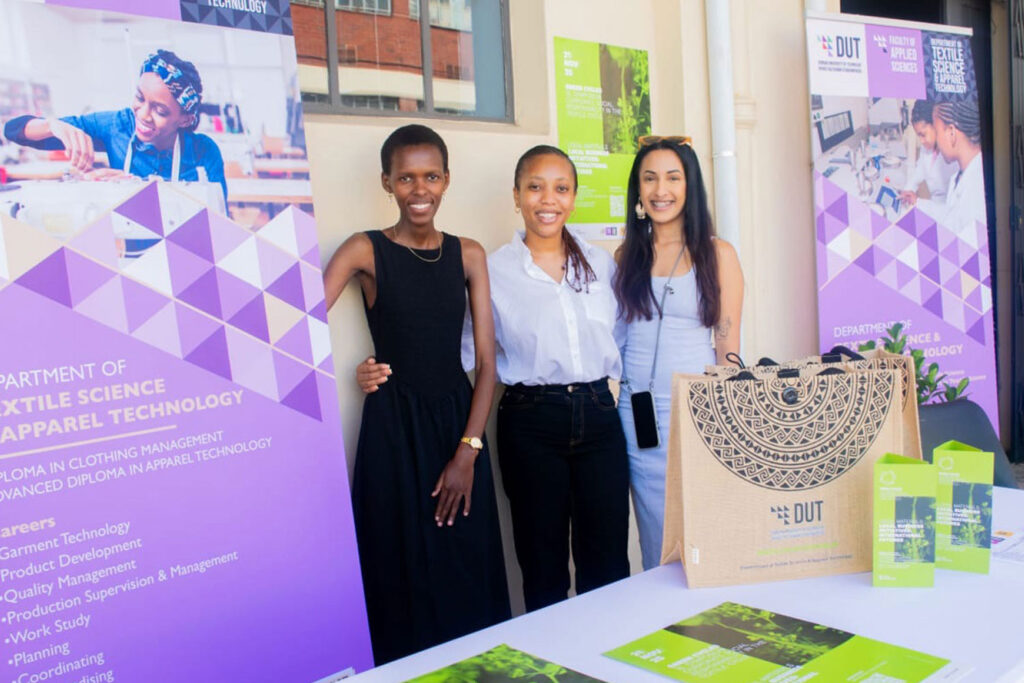
DUT Alumni/Tutors: Siphumelele Makhaye, Sithembile Ngubo, Kiara Ramdial
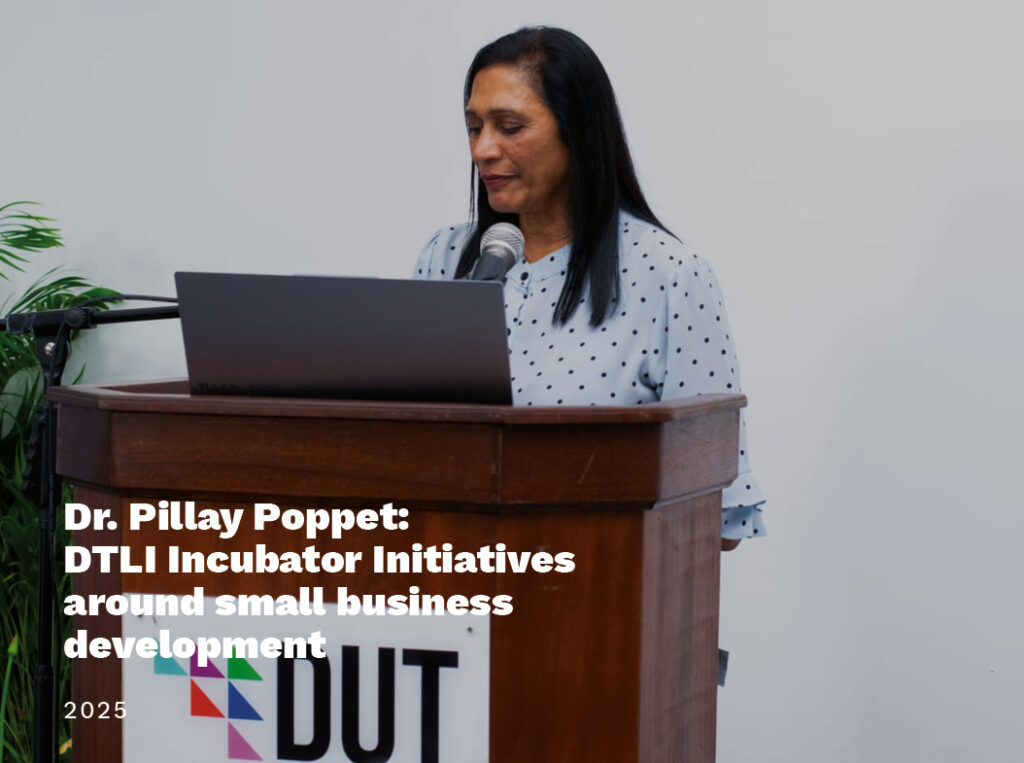
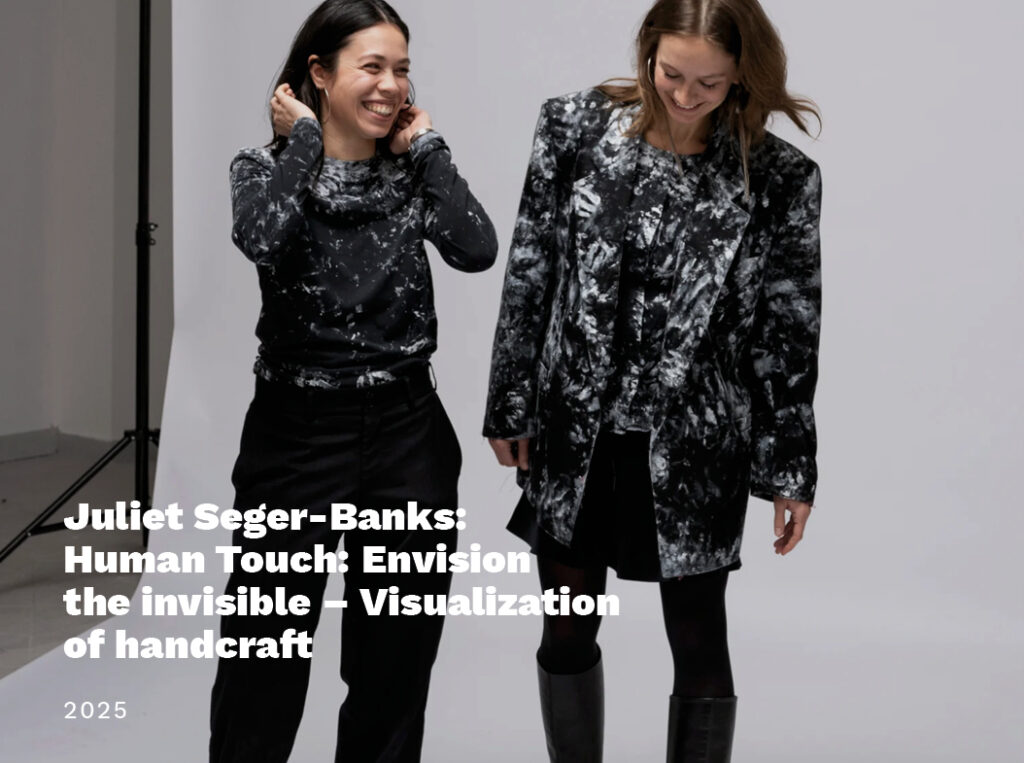
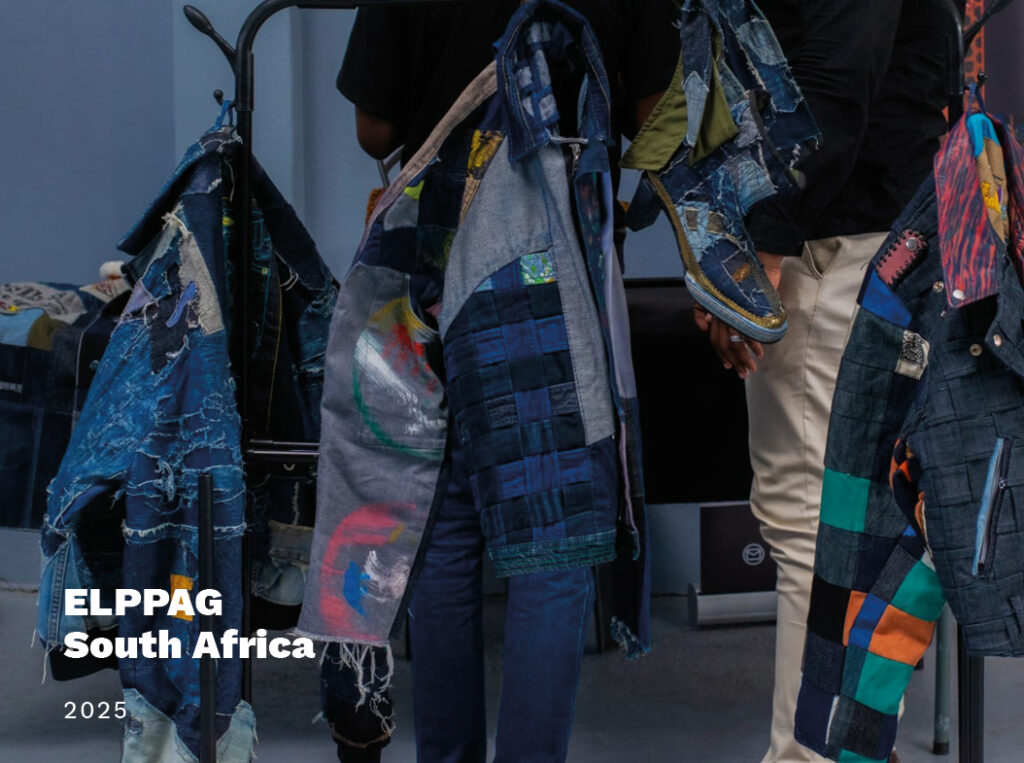
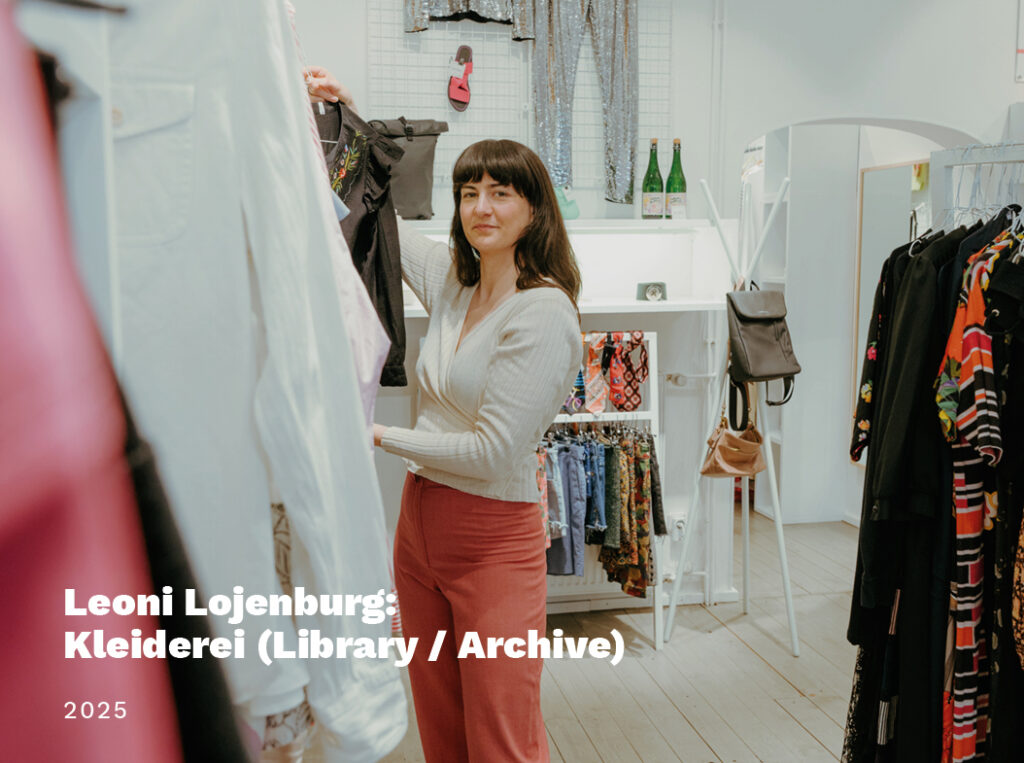
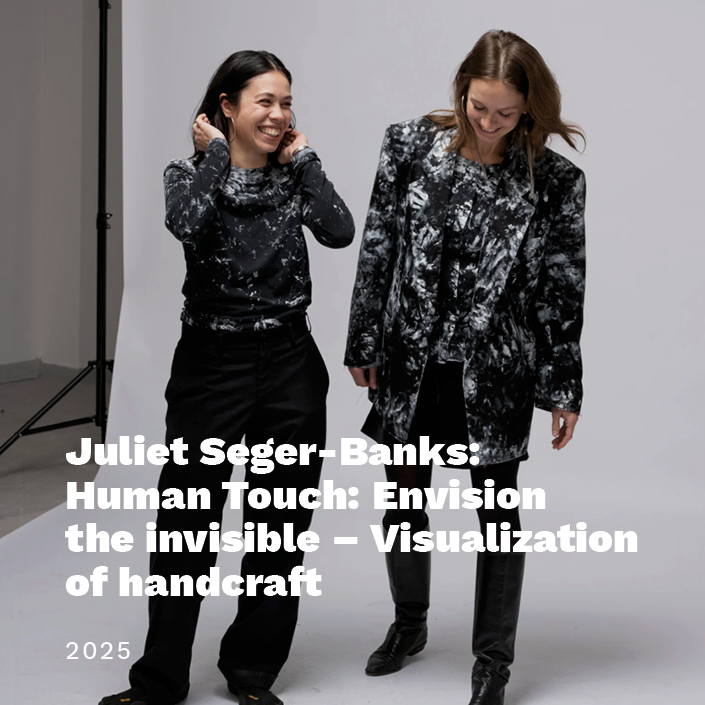
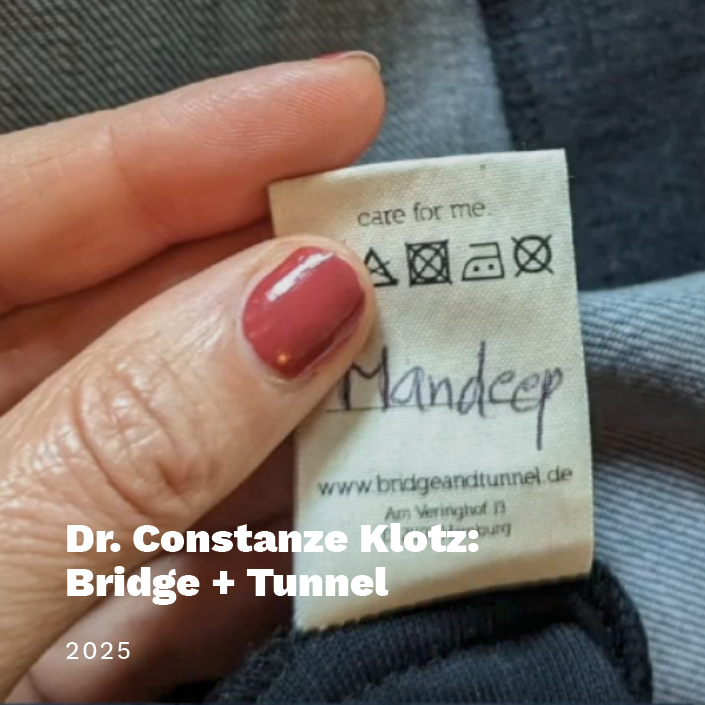
Beyond material and design considerations, new business modes of organizing textile production and circulation are emerging that point toward alternative economic and social futures. These approaches rethink the relationship between ownership and access, encourage shared use rather than individual accumulation, and foster value creation through community engagement rather than mass production. They center transparency, care, and responsibility in their practices, often operating at the intersection of craft, social inclusion, and circular design.
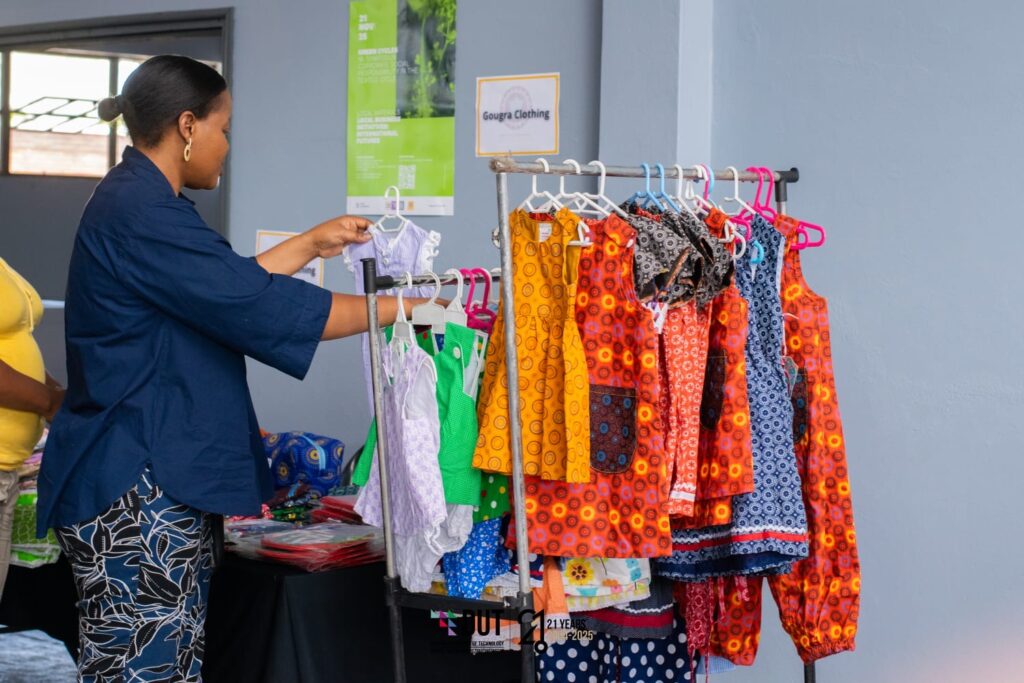
DUT (Fashion & Textiles) – Thandeka Nxumalo
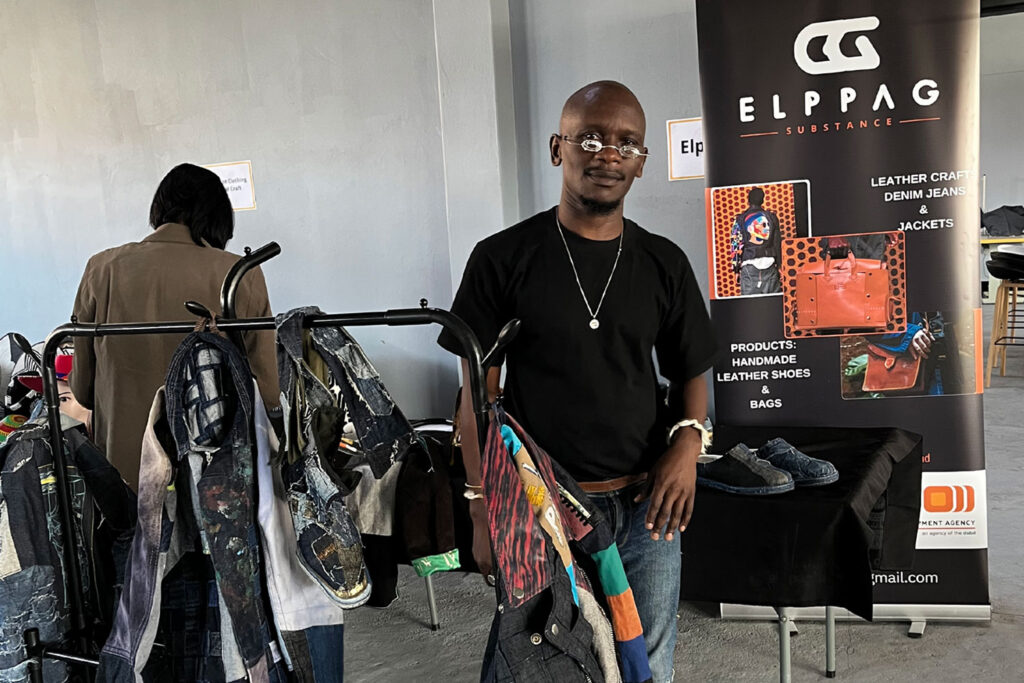
Dumisane Kweyama (ELPPAG)
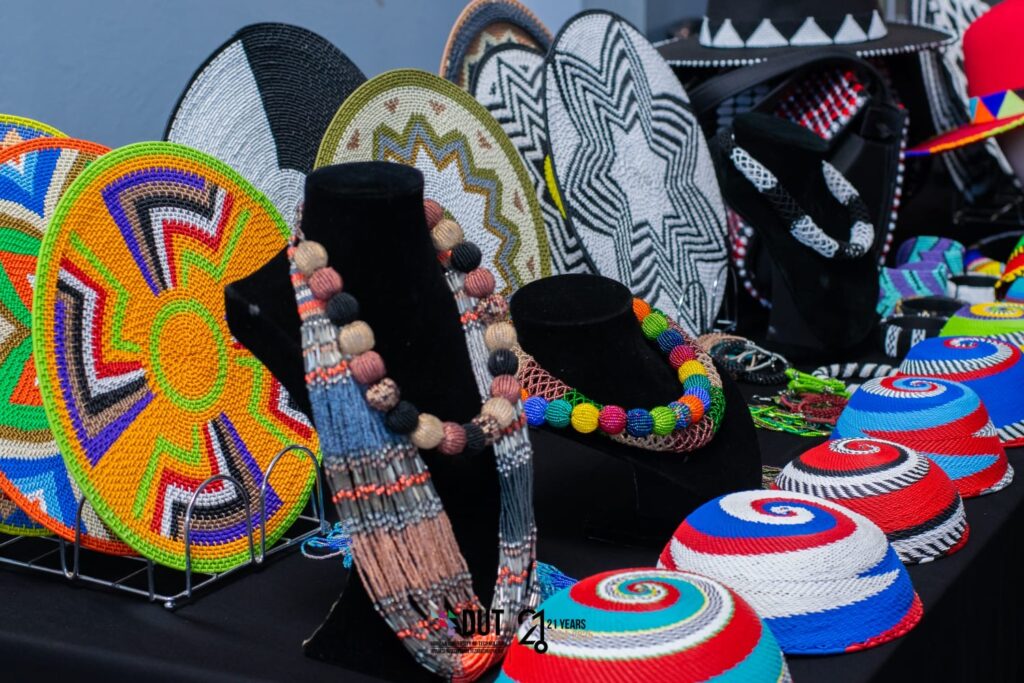
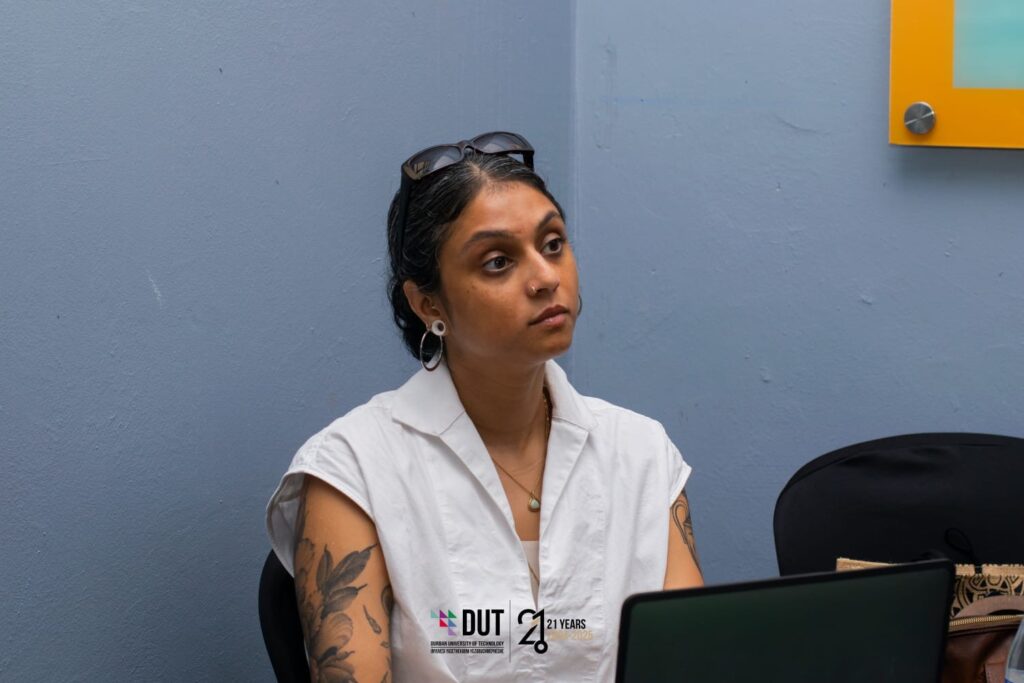
DUT International Office – Serisha Letchmiah-Venter

Lethokuhle Xulu (2nd Year Student), Andile Dludla (Mr Price Group)
In a time when “fast fashion” and rapid consumption shorten the life of textiles, this symposium advocates for approaches that slow down, value material knowledge, and embrace repair, reuse, and rethinking. By prioritizing the extension of product life, the creative reuse of existing materials, and the education and integration of marginalized communities into value chains, these models challenge conventional market logic. They illustrate how textile systems can be structured around principles of cooperation, longevity, and cultural continuity—offering tangible pathways toward more just and sustainable economies and more meaningful relationships with our textiles.
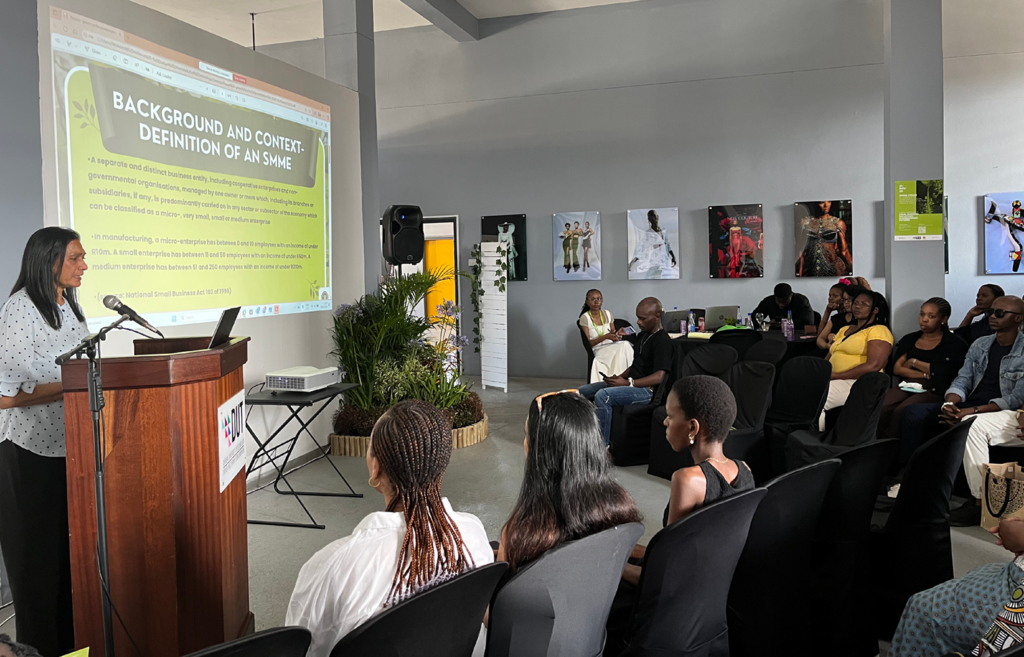
Panel Discussion